
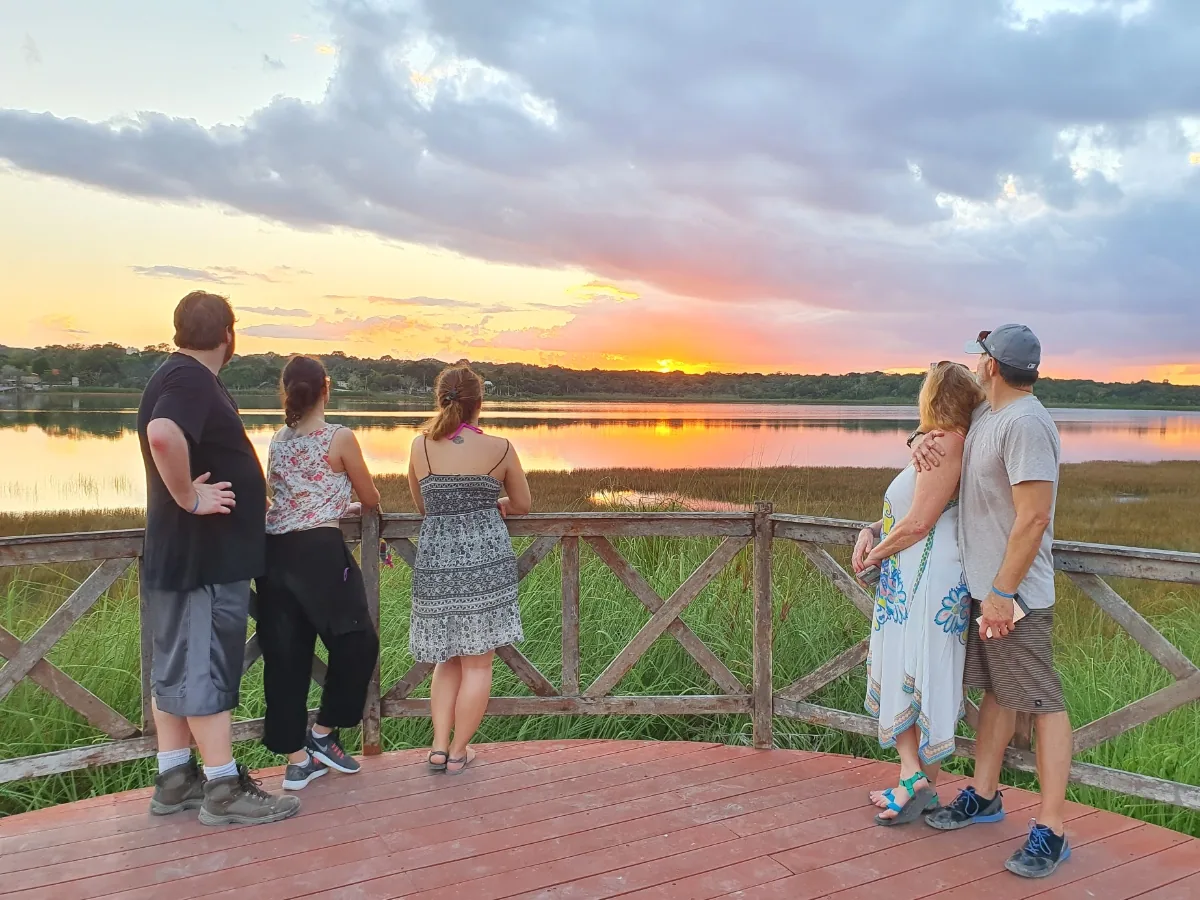
A more human way to explore the Riviera Maya
Hyperpersonalization:
Because Private Doesn’t Always Mean Human
Privacy is a starting point. A truly personal experience begins with being heard, understood, and given the clarity to choose confidently.
The details make the difference.
My story · By Keshi
Long before private tours became popular, I was told my first private-tour website would fail. Almost nobody was searching for them. I believed there were travelers who wanted something different—and I built my business for them.
Then the pandemic changed travel. Private tours grew rapidly, and demand continued afterward. Today, many companies offer them. So I asked myself: If private was once the difference, what comes next?
My answer is hyperpersonalization. Not simply doing what a guest asks, but helping them understand their options, anticipate their needs, and feel genuinely cared for. Technology can make service faster; it doesn't automatically make it more human—especially when you're visiting an unfamiliar country and trusting someone with your vacation.
What does hyperpersonalization mean?
To me, it has three parts. If a family asks to visit Tulum, I might explain why Cobá could better suit their children. I won't decide for them; I'll give them the information to choose. That's the difference between simply fulfilling a request and truly serving a person.
Human connection
A real person who listens, cares, and answers questions.
Hyperclarity
Knowing the vehicle, guide, places, distances, and costs.
Intelligent adaptation
Suggestions designed around your needs, not a script.
“A private tour gives you the vehicle. A human tour gives you confidence.”
Know before you go.
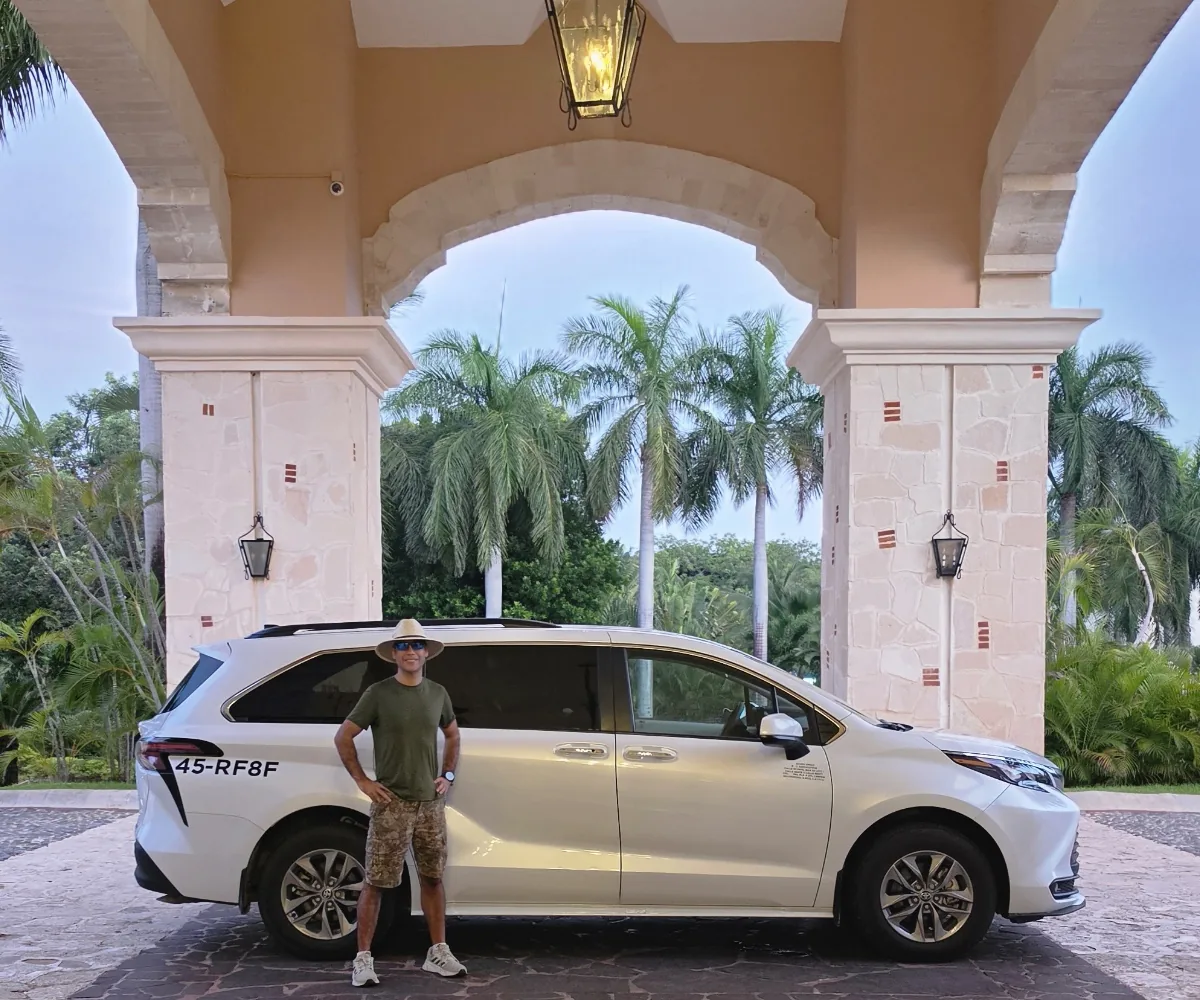
01 / Know who and what to expect
“Private van” isn't enough information.
All vehicles have four wheels, but they don't offer the same comfort. That's why I show guests the actual vehicle assigned to their tour, not a generic photo.
I also share the guide's name and picture. Seeing the person who'll look after you all day helps build trust before we meet. Want to know more about their personality or experience? Ask me.
I can even show the route from your hotel, estimated travel time for each leg, and what the day will really look like. That's what I mean by hyperclarity.
02 / Families first
Safety is never an extra.
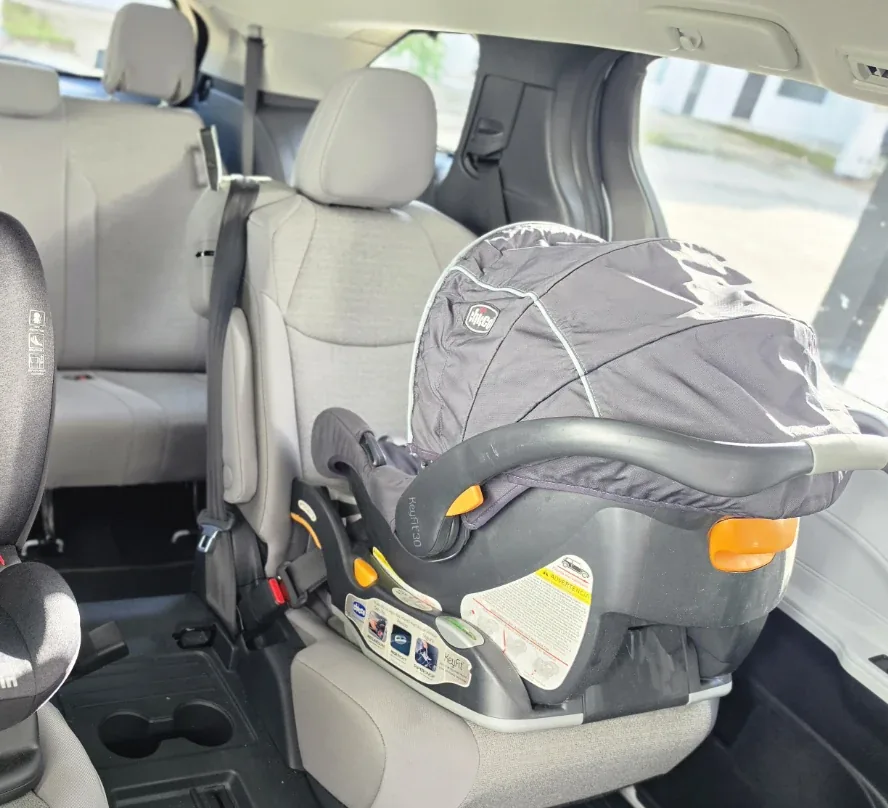
For me, charging parents more simply because they want their baby to travel safely would go against everything I believe in.
“Your baby's safety isn't an upgrade. It's my responsibility.”
Infant car seats and boosters are available without an additional charge. Tell me your child's age and size so we can plan properly.
03 / Respect and inclusion
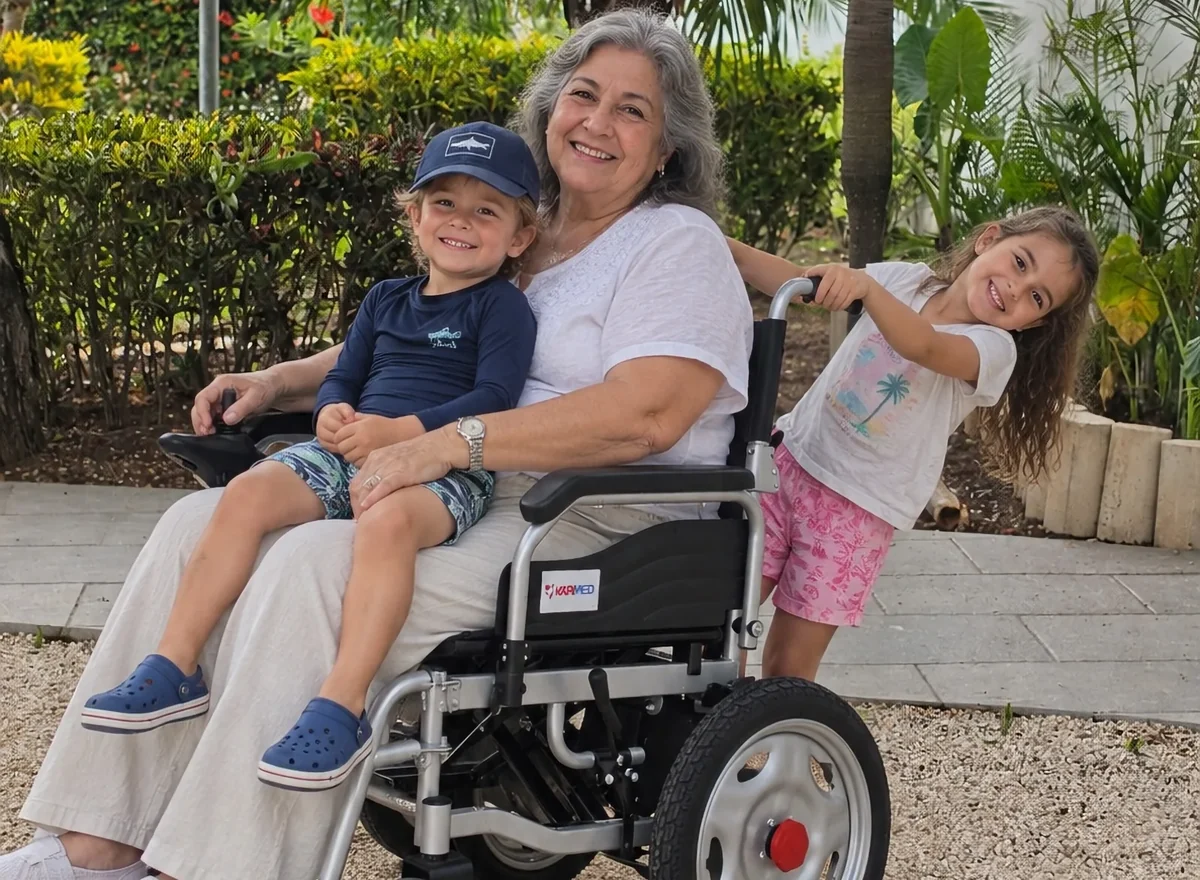
Mobility isn't an upgrade.
It's a right.
People have different mobility needs, and everyone deserves dignity. If a family member uses a wheelchair, has limited stamina, or needs a slower pace, let's talk before we plan the day.
Not every archaeological site or cenote is equally accessible. I prefer an honest conversation about what's possible to a promise that can't be kept.
04 / Small details, better experiences
Details aren't small when they shape your whole day.
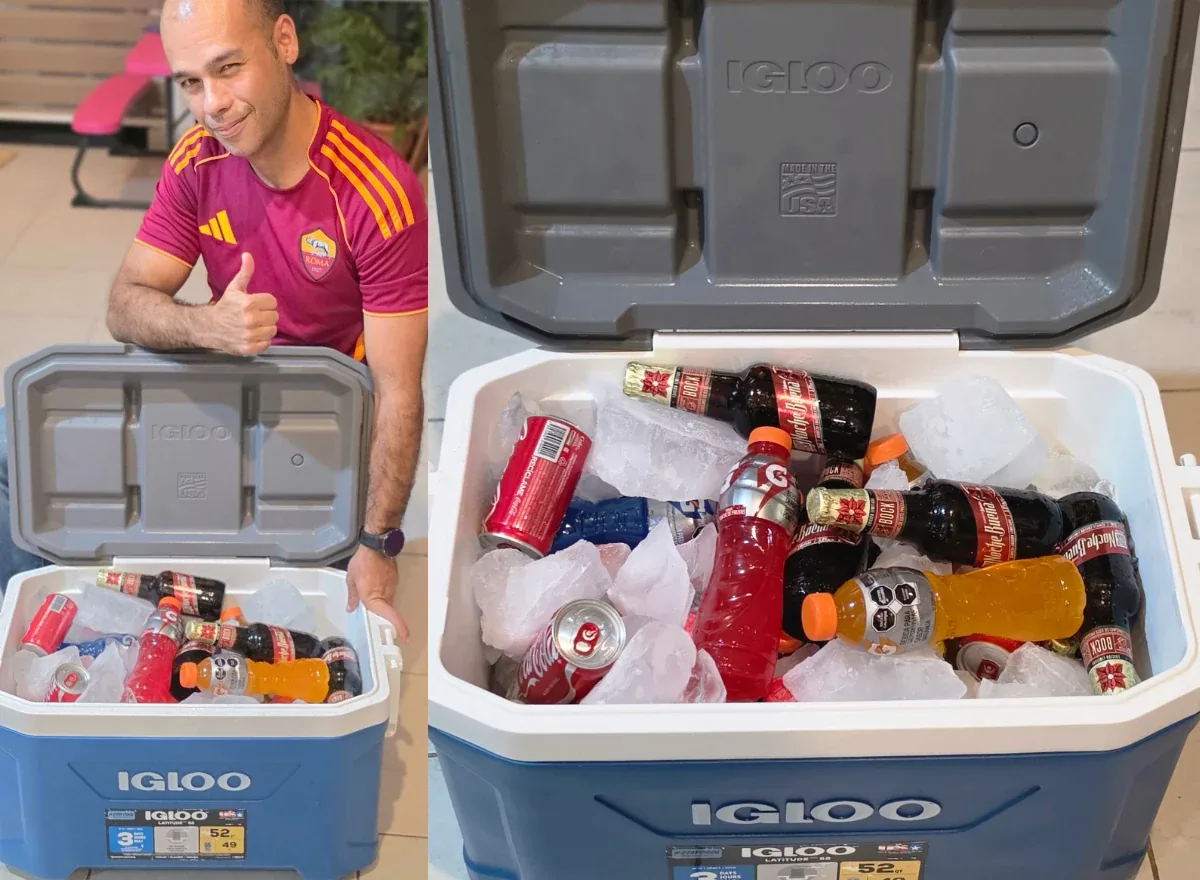
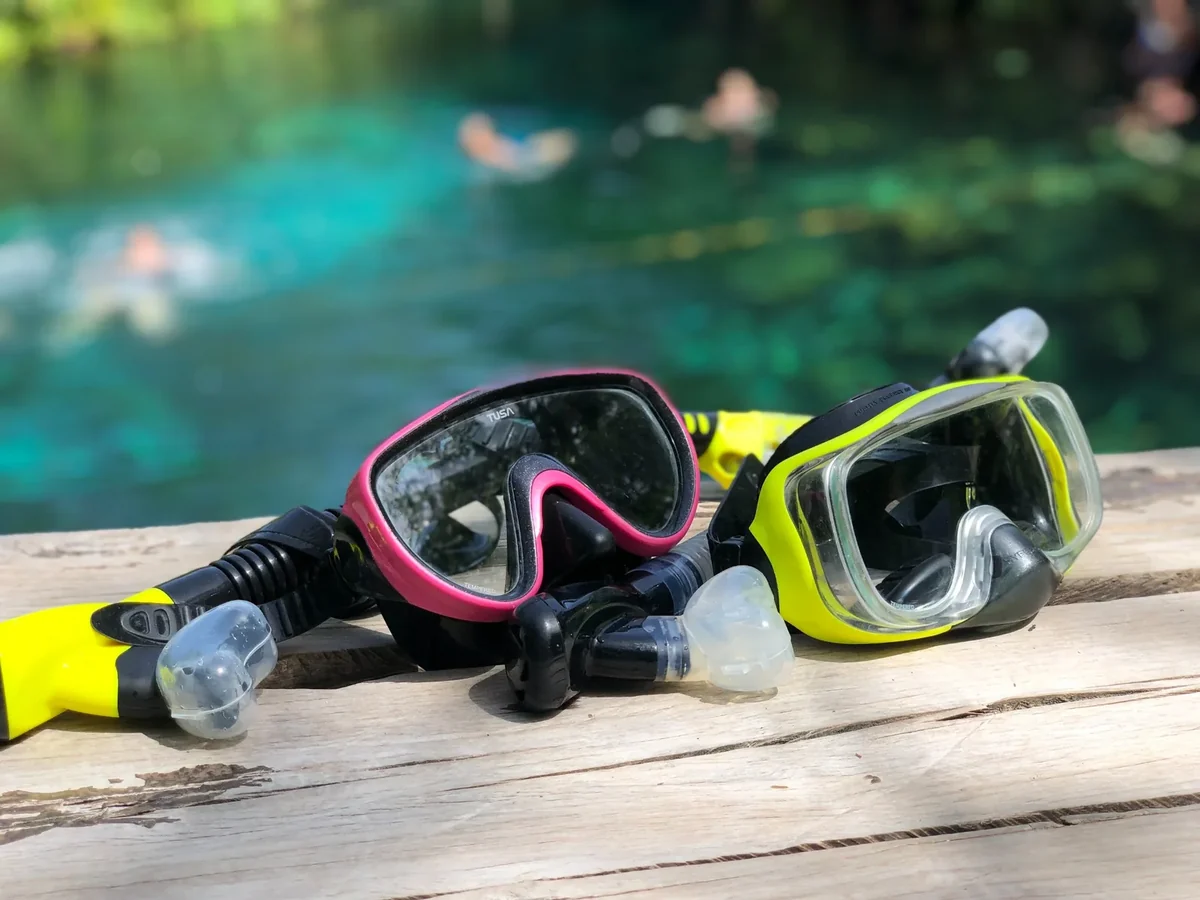
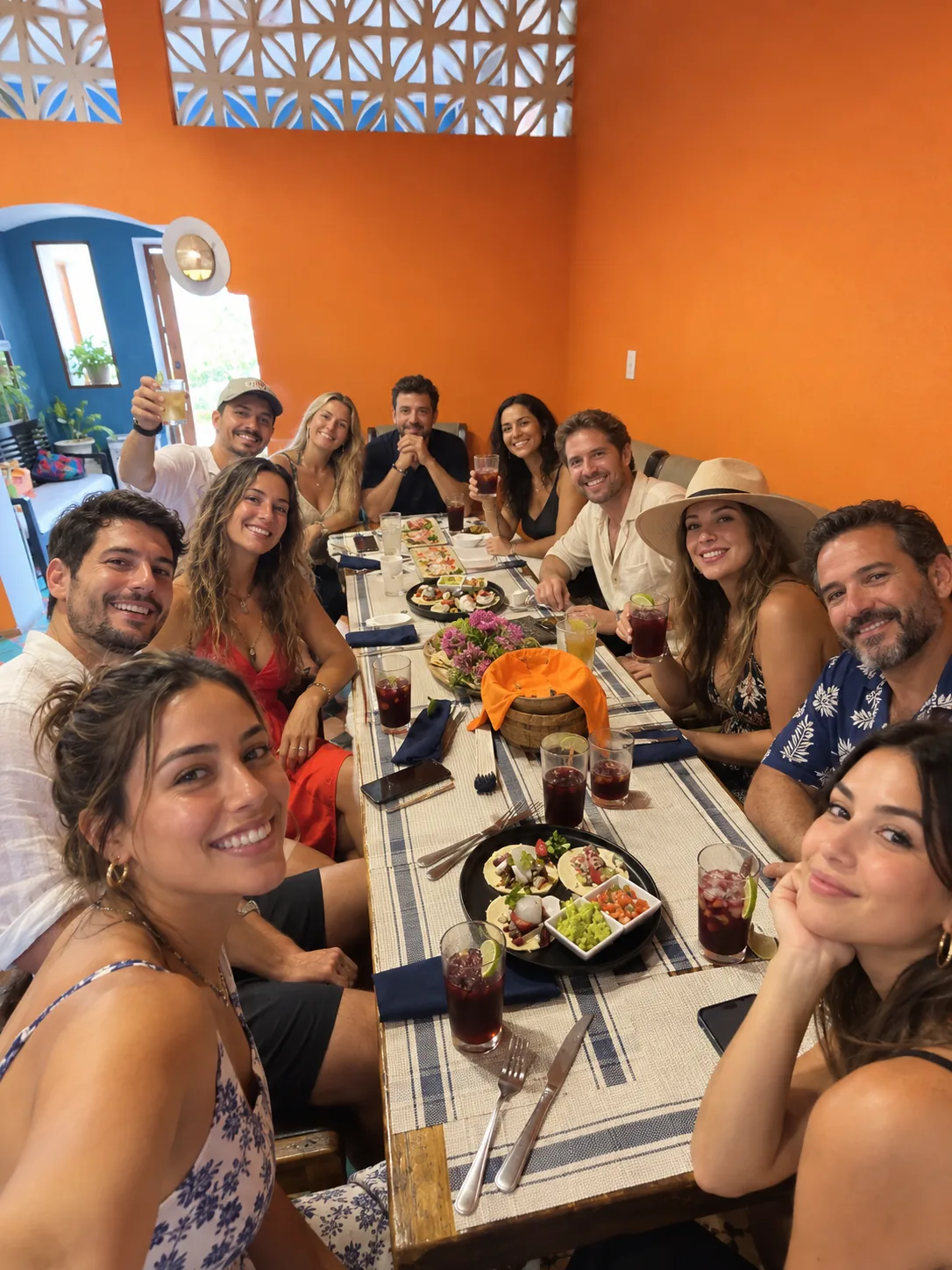
A well-stocked cooler, a comfortable mask, the right child seat—these are not glamorous sales slogans. They're the things you'll actually notice. I care about the quality behind each inclusion, not just whether it appears on a checklist.
05 / Specific is better than vague
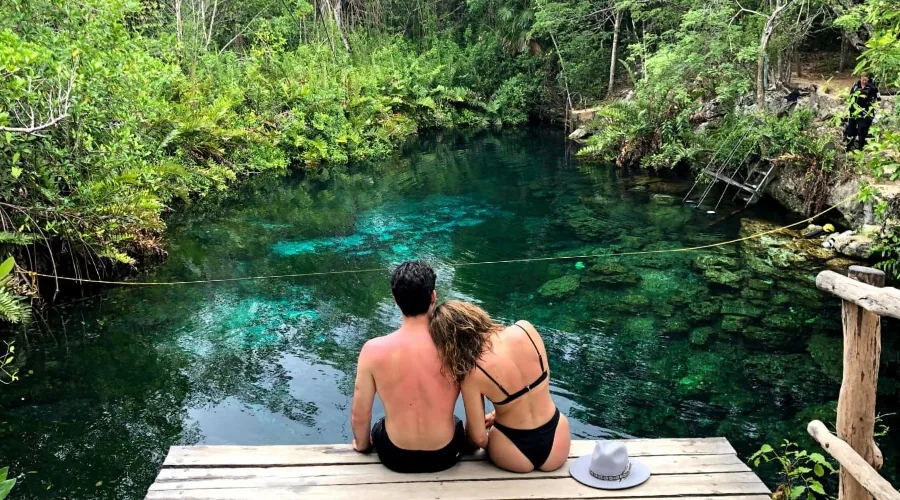
Not just “a cenote.”
Which cenote?
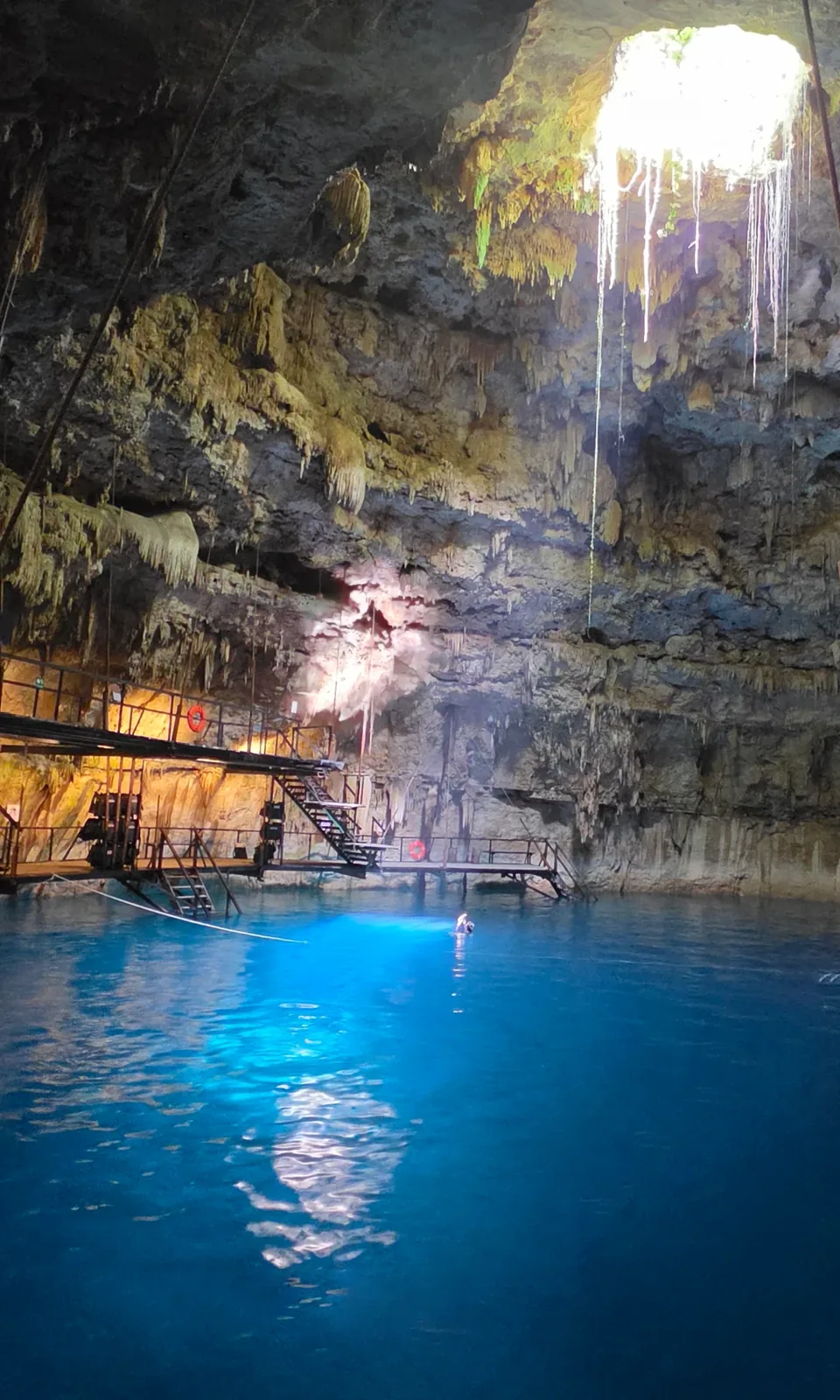
An open cenote, a cavern, and an underground river are different experiences. So why should the description simply say “cenote included”?
I want guests to know its name and see its photos. The same goes for restaurants, stops, and driving distances.
When someone knows what they're choosing, expectations become clearer—and the experience becomes more personal.
06 / The value of knowing
No unpleasant surprises.
Some excursions can come with unexpected taxes, shopping stops, or restaurants where a drink turns out to cost $10–$12. Not every extra charge is unreasonable, but essential information shouldn't be a surprise.
I believe in explaining inclusions, exclusions, and the places we're visiting before the booking. Clarity prevents misunderstandings—and I am not a fan of misunderstandings.
My favorite guests are the ones who ask the most questions. Every question gives me the chance to explain the details that distinguish one tour from another.
A more personal promise
Two tours can visit the same places and feel completely different.
I don't expect everyone to want the same experience. But if you value your vacation time, transparency, thoughtful details, and being heard, that's exactly the kind of tour I want to create.
Great service doesn't begin when you step into the vehicle. It begins with the first conversation.
Keshi
Private Tours Playa del Carmen
From mobility and babies to meaningful celebrations and a tourism student's curiosity—these are the questions I want you to feel comfortable asking.
Frequently Asked Questions
What is hyperpersonalization in tourism?
How is it different from an ordinary private tour?
Can I see the exact vehicle before my tour?
Will I know who my guide is?
What if someone in our family uses a wheelchair or has limited mobility?
Is mobility support considered an upgrade?
Do you charge extra for baby car seats?
Can you adapt a tour for a child with autism or sensory sensitivities?
What if we need frequent restroom stops?
Can we return to our hotel early if there's an emergency?
Can we change the itinerary during the tour?
Can you help plan a marriage proposal?
Can we celebrate an anniversary or birthday in a special way?
What if our vacation time is extremely valuable to us?
Why does the restaurant matter if a lunch stop is already included?
Why does the specific cenote matter?
Does premium snorkeling equipment really change the experience?
Are there hidden taxes, compulsory shopping stops, or surprise drink prices?
Why do you care about details like the cooler?
I'm a tourism student. What is the key lesson behind hyperpersonalization?
Let's make it yours
Your vacation deserves to feel personal.
Ask every question. Tell me what matters. I'll help you understand your options before you decide.